Windows 10 Upgrade Across the Organization
Org-wide. Phased by location. Zero surprises.
A phased Windows 10 rollout across every org-wide endpoint, grouped by location and function, with training built for two very different audiences: the people running it and the people just trying to get through their day.
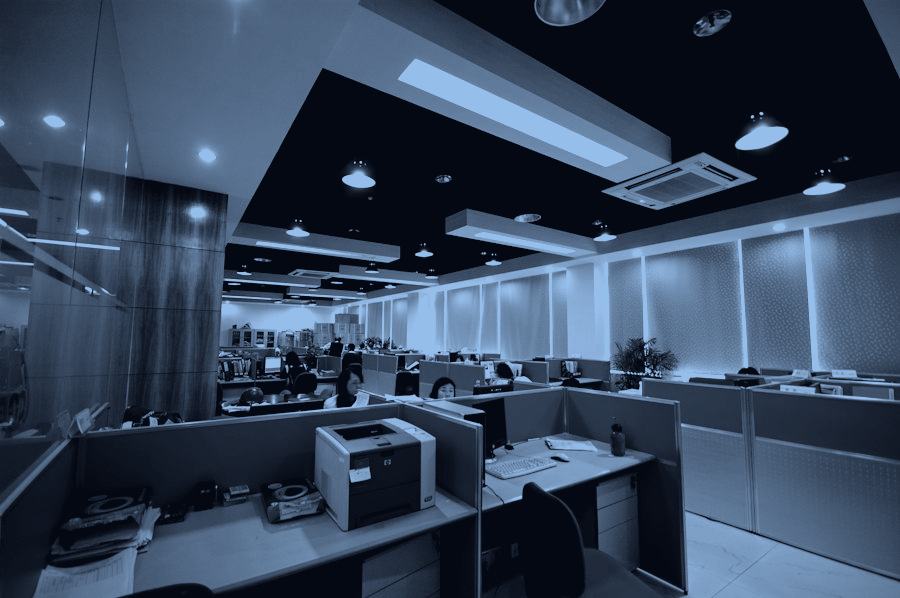
Legacy operating systems across org-wide endpoints risked hardware/app incompatibility and vendor support lapses, with real risk of disrupting active users mid-upgrade.
Every endpoint carried its own mix of hardware age and installed software, so a one-size-fits-all migration plan wasn't realistic. The upgrade needed a validation pass first, and a contingency plan for whichever legacy tools didn't make the jump cleanly.
And it had to happen without stopping active workstations mid-task. This was a rolling upgrade through a live organization, not a weekend cutover.
Falling out of vendor support isn't a future problem, it's a security and compatibility problem the day it happens. The clock on this upgrade wasn't optional.
Ran a phased deployment grouped by location and function, tracked through a standardized digitized checklist, with training rolled out via a branded intranet hub.
The upgrade had to work for people who'd celebrate it, and people who'd barely notice it.
- Validating hardware and application compatibility ahead of migration, with contingency plans for legacy tools
- Minimizing disruption to active workstations during the upgrade window
- Tailoring communication for executives vs. end-users on timeline and impact
- Driving adoption of new features and updated IT support/escalation procedures
The measure of a good OS upgrade is how boring it is. 90% of devices moved on schedule and the support queue barely noticed, because the checklist did the worrying so the users didn't have to.